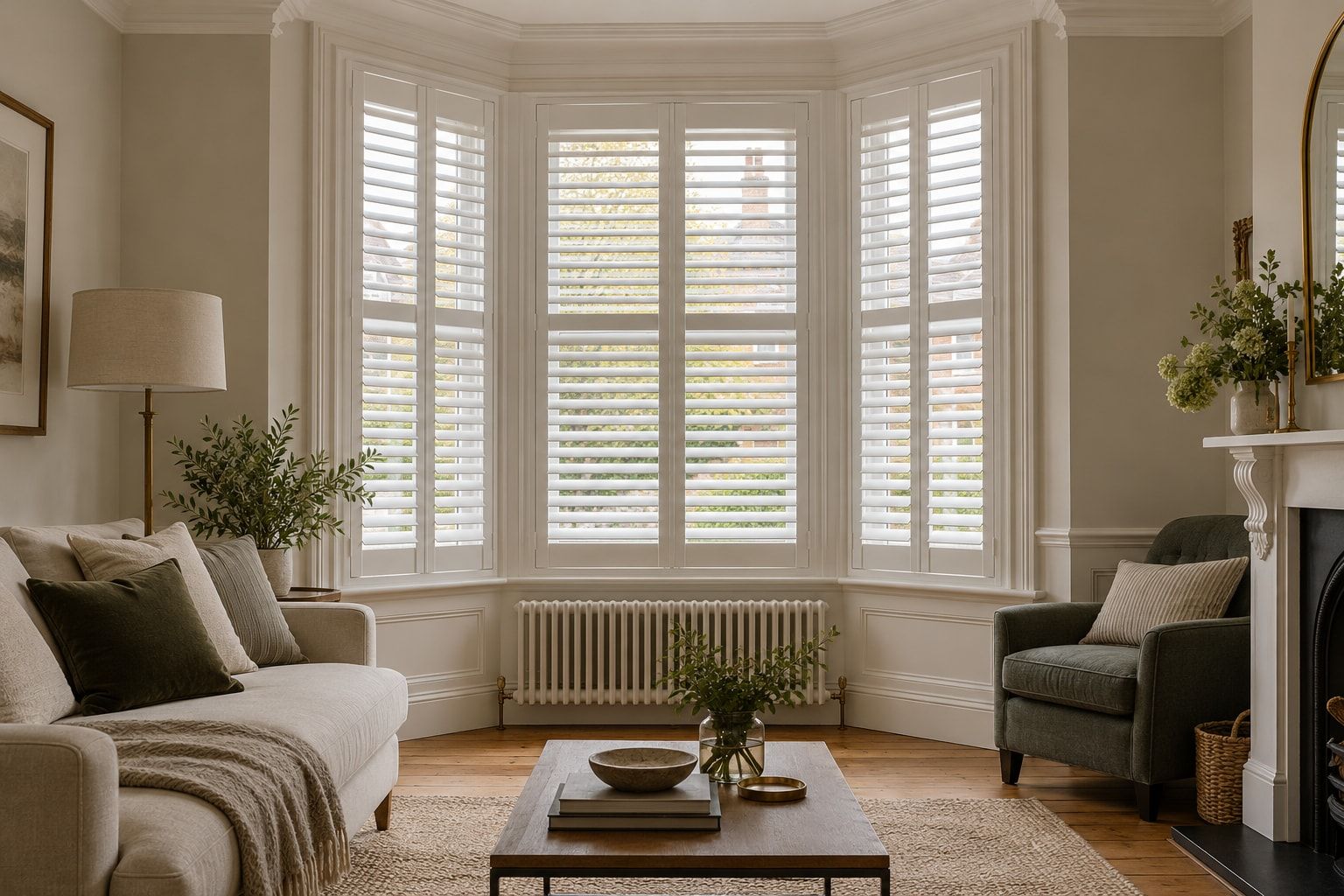
Full-Height Shutters
The classic plantation look. One panel from top to bottom, with tilting louvres for easy control of light and privacy, built to fit your exact window.
Serving Birmingham and the West Midlands Appointments 7 days a week
Made-to-measure shutters
Two sets of panels, one above the other, that open independently. Keep the lower half closed for privacy and fold the top back for daylight.
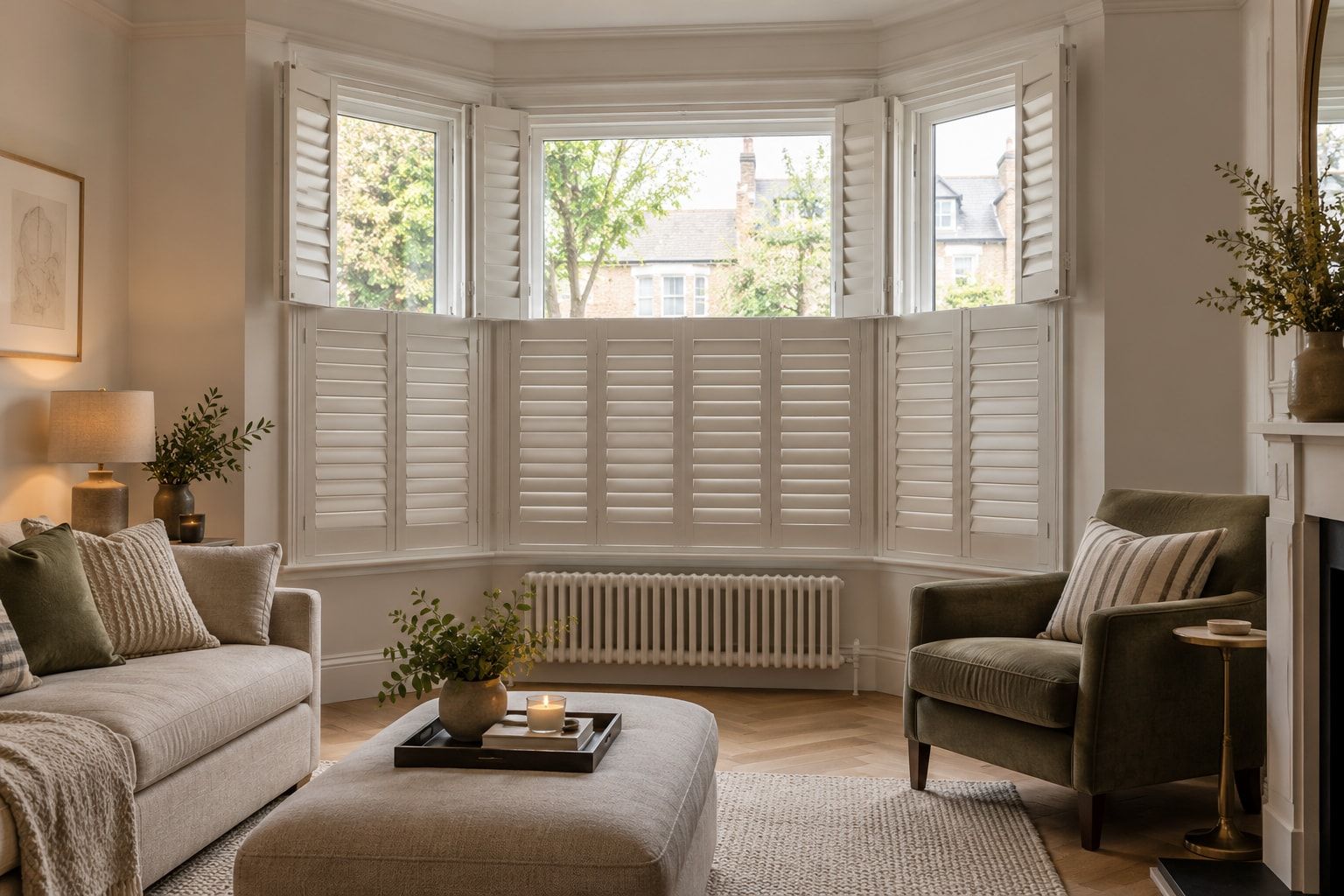
Open the upper panels for daylight while the lower panels stay closed, or the other way round. Each tier has its own tilting louvres too.
We set the split to match the bars or sash rail of your window, so the shutters look as though they came with the house.
Fold panels, tilt louvres or do both. Of all our shutter styles, this one gives you the most ways to balance light and privacy.
Both tiers are built to the sizes we take on site, so older windows that aren't quite square still get a neat fit.
Colours
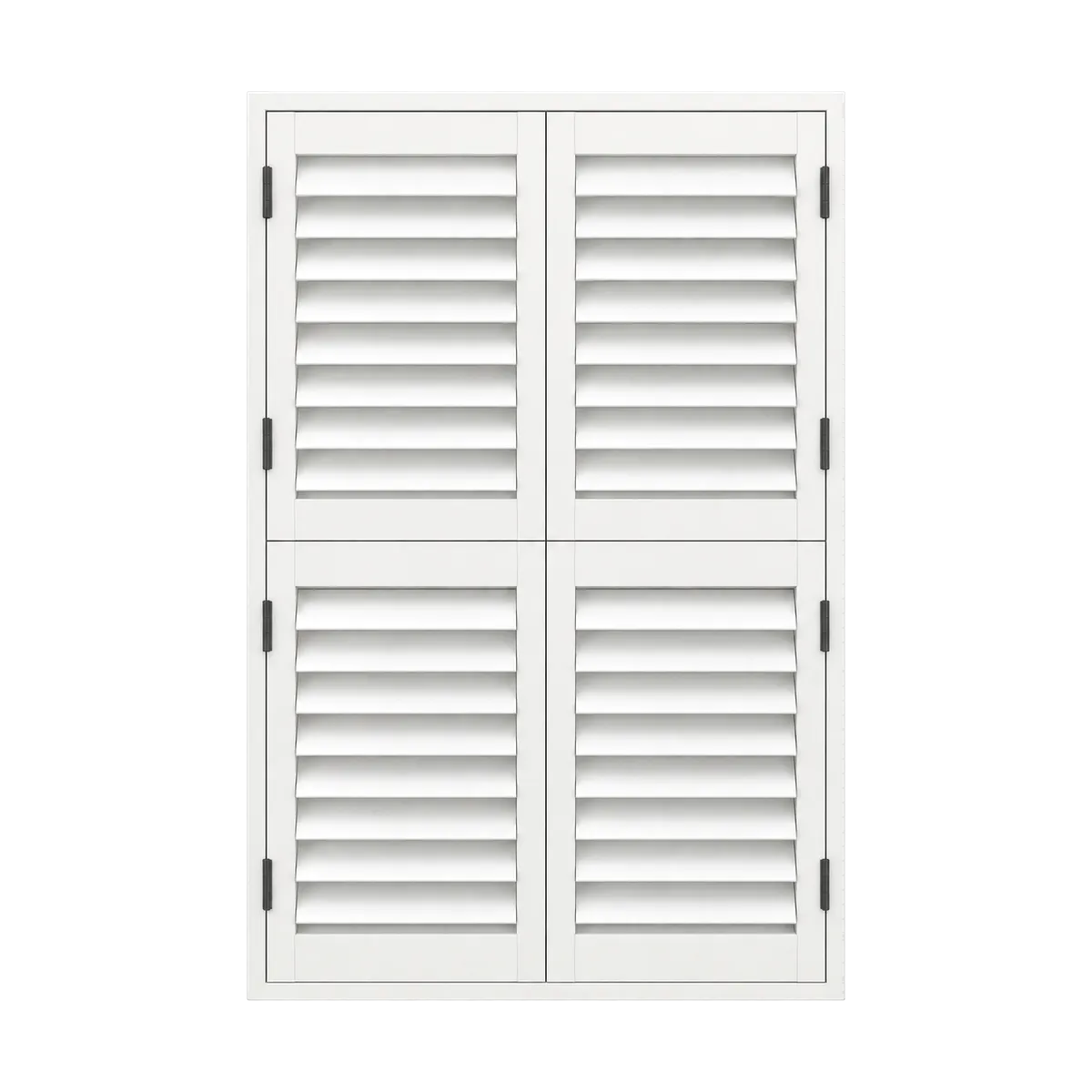
Tap a colour to preview your tier-on-tier shutters. These are some of our most popular shades. There are many more at your home visit.
Selected: Pure White
Colour guide only. Screens vary, so we bring real samples to your free home visit.
Book a free measure in this colourTier-on-tier shutters split each window into two sets of panels, one stacked above the other. Each tier is hinged separately, so you can fold the top panels back and let the daylight pour in while the bottom panels stay closed. It’s the shutter style that gives you the most freedom over light and privacy, and a particularly good match for houses that sit close to the street.
Being made to measure is especially important with this style. The point where the two tiers meet has to sit at just the right height, and the panels need to close neatly against each other along that line. That only happens when every panel is built for the window it’s going into.
Picture a front room on a busy road. During the day you want light, but you don’t want people walking past to see straight in. With tier-on-tier shutters, you close the lower tier and open the upper one: the room stays bright and the view in from the pavement is blocked. In the evening, close both. On a sunny afternoon you might do the opposite, closing the top to cut glare while leaving the bottom open to see the garden.
Within each tier, the louvres tilt as well. That gives you two layers of control: fold the panels, angle the louvres, or combine the two until the room feels right.
Tier-on-tier, full-height and café style are easy to mix up. Here’s the simple difference.
| Style | What opens | Best for |
|---|---|---|
| Full-height | One panel, top to bottom | A clean look with simple control |
| Tier-on-tier | Top and bottom separately | Privacy below with daylight above |
| Café style | Lower part only, top left bare | Privacy without covering the whole window |
If you can’t decide between them, we’ll show you how each would look on your own windows at the home visit.
You choose from the same details as on all our shutters: louvre size, a painted or stained finish, and the type of tilt rod. A hidden tilt rod suits this style well. With two tiers on every window, visible rods on each can make the front look busy, and tucking them away keeps the lines clean. We bring samples so you can see each option in the room.
We’ve spent 20 years fitting shutters, blinds and curtains in homes across Birmingham and the West Midlands. If you’re weighing up tier-on-tier against another style, we’ll give you an honest opinion based on your windows and how you use the room.
Options
We'll talk you through every option at your free home visit, with samples in hand.
Questions
Anything else you'd like to know? Call or WhatsApp us on 07902 945533.
Both have a horizontal rail partway up. With a mid-rail, each panel is still one piece, so the whole panel opens together. Tier-on-tier shutters are two separate sets of panels, so you can fold back the top while the bottom stays shut.
Yes. Curtains on a pole above the window add softness and warmth, as long as the pole sits far enough out for the panels to open freely. We supply and fit curtains and poles too, so we can plan both together.
Not really. Each tier opens like a small door and the louvres tilt with a light touch. There are simply more panels, so opening the whole window takes a few seconds longer than with full-height shutters.
Yes. As well as top and bottom, the left and right sets of panels open independently, so on a wide window you could open just one upper section.
You might also like
The classic plantation look. One panel from top to bottom, with tilting louvres for easy control of light and privacy, built to fit your exact window.
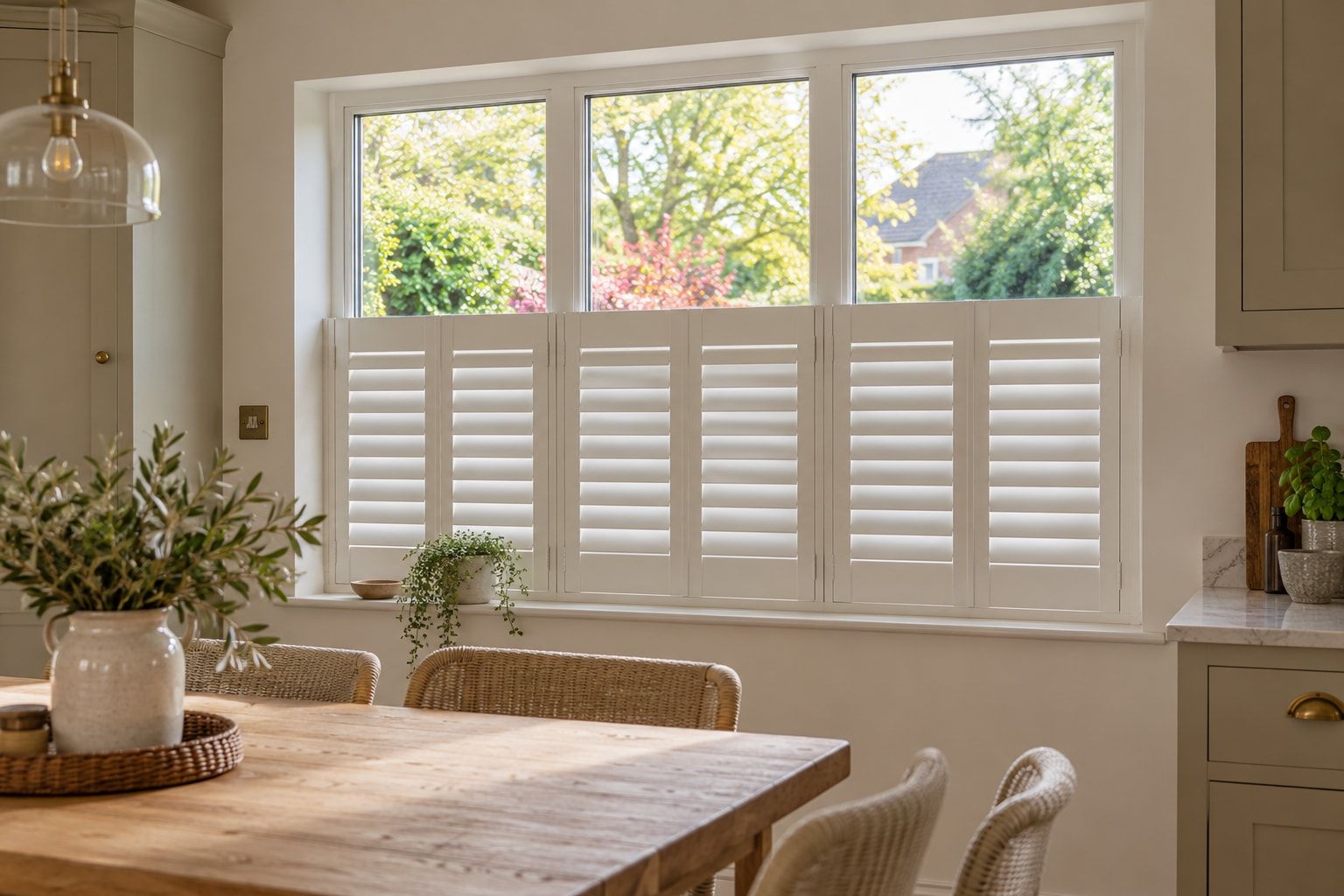
Shutters on the lower part of the window only. Privacy where you need it, with the top left open for daylight and sky.
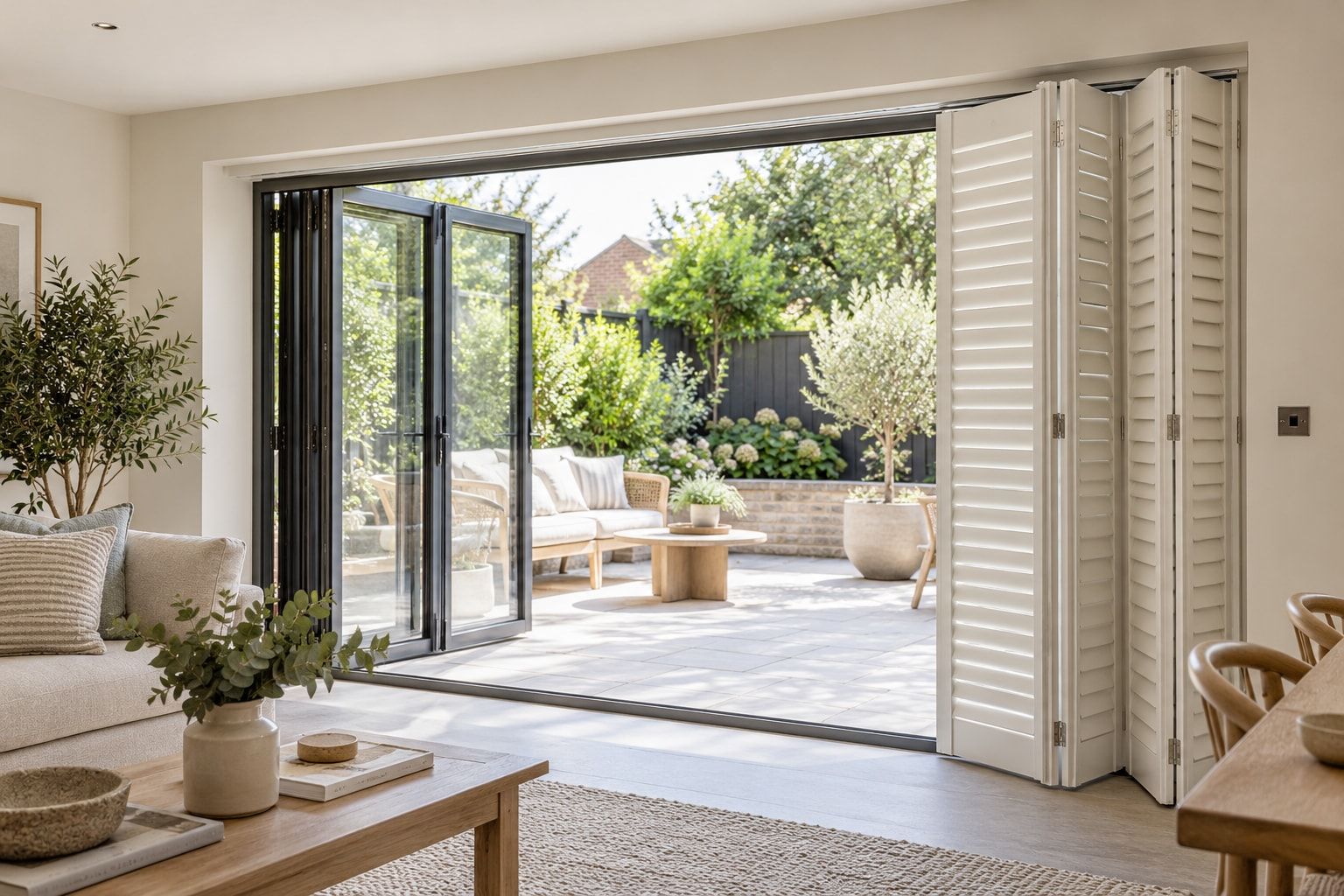
Sliding and folding shutters on tracks for patio and bifold doors, and shaped shutters for arches, angled tops and bay windows.
Advice
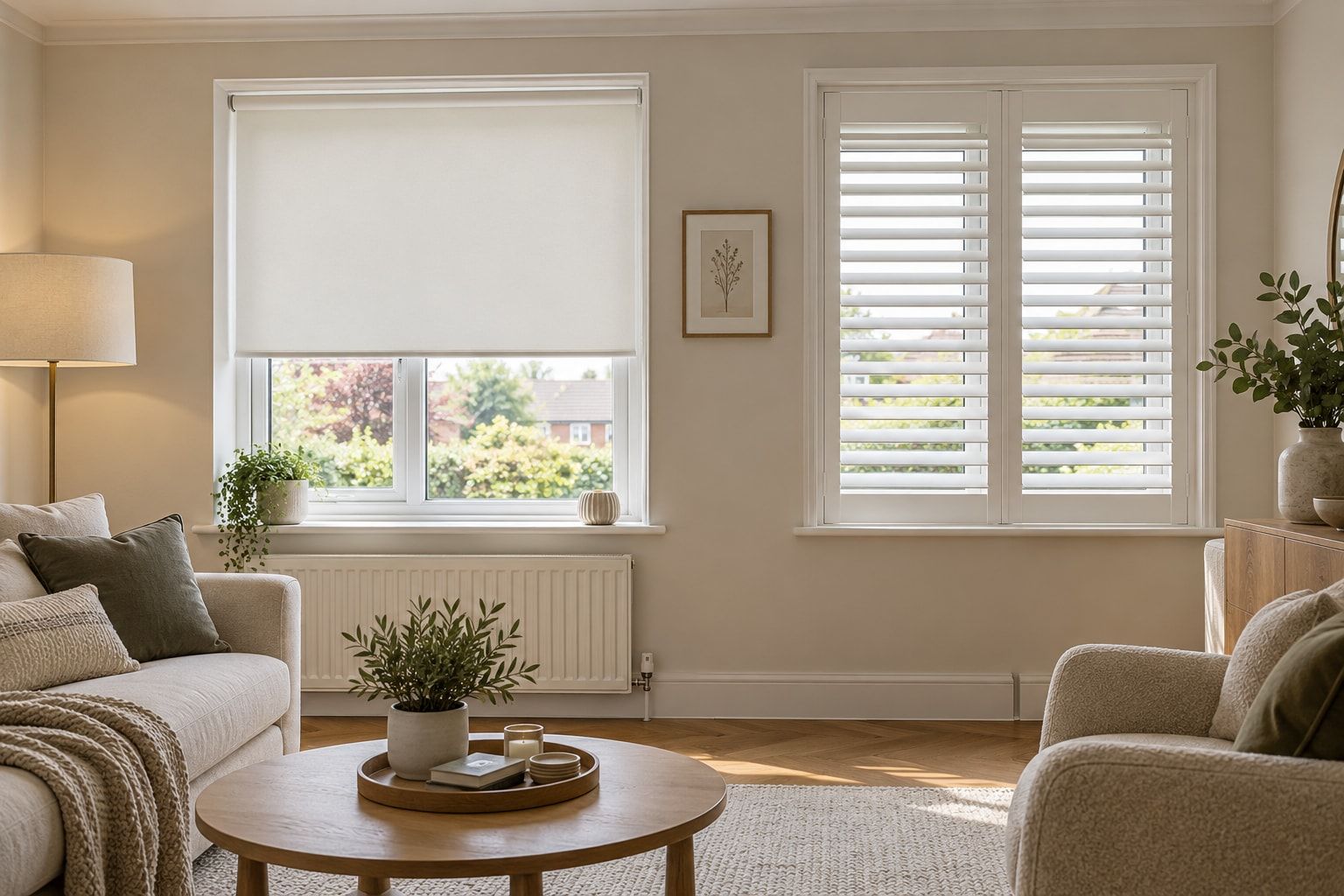
An honest comparison of blinds and shutters, covering light control, privacy, darkness, cleaning and style, to help you choose for every room.
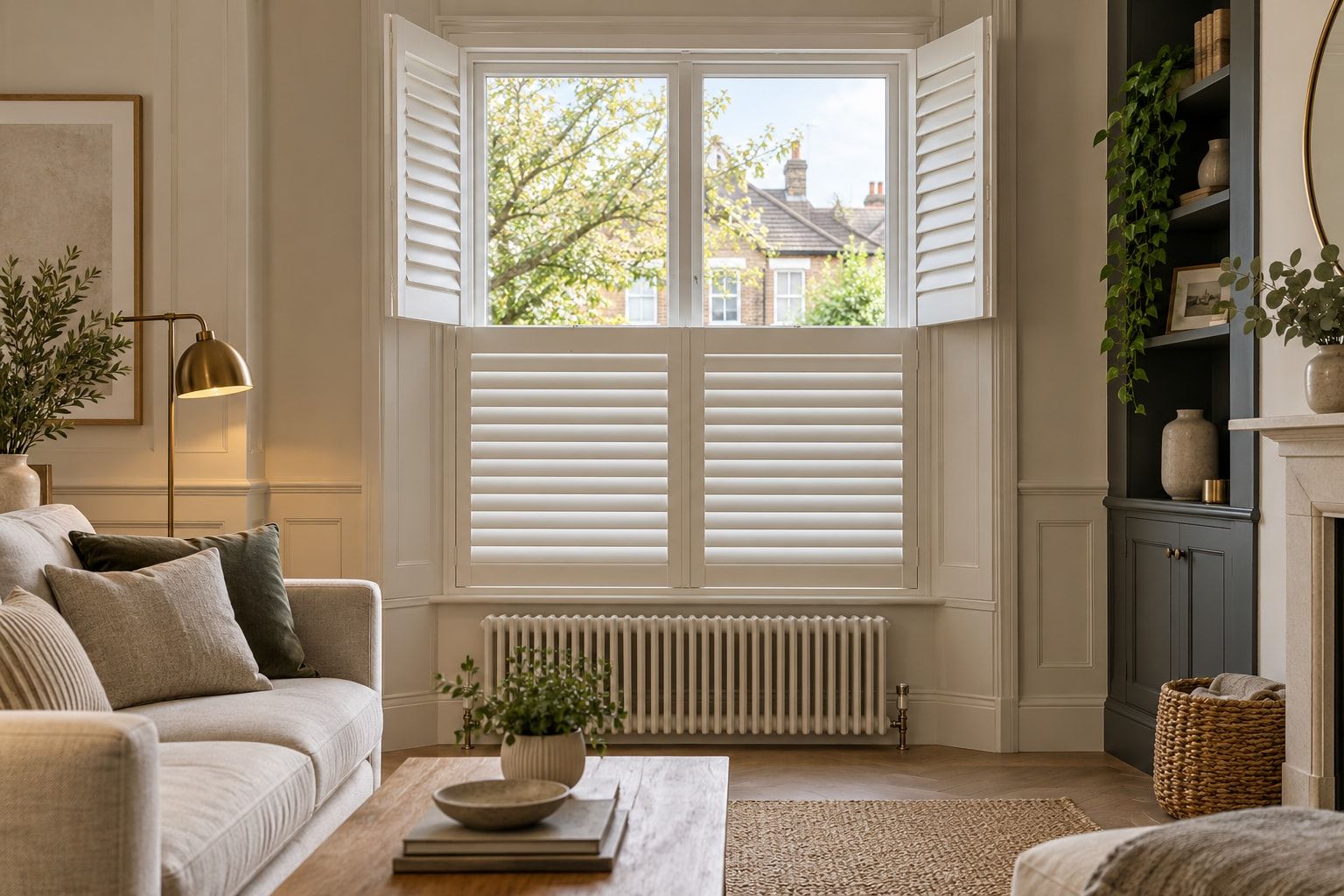
Full-height, tier-on-tier, café-style or tracked? An honest guide to how each shutter style works, where it suits best and what to check first.
Book a free, no-obligation home measure. We visit 7 days a week, bring samples to you, and fitting is included in every quote.