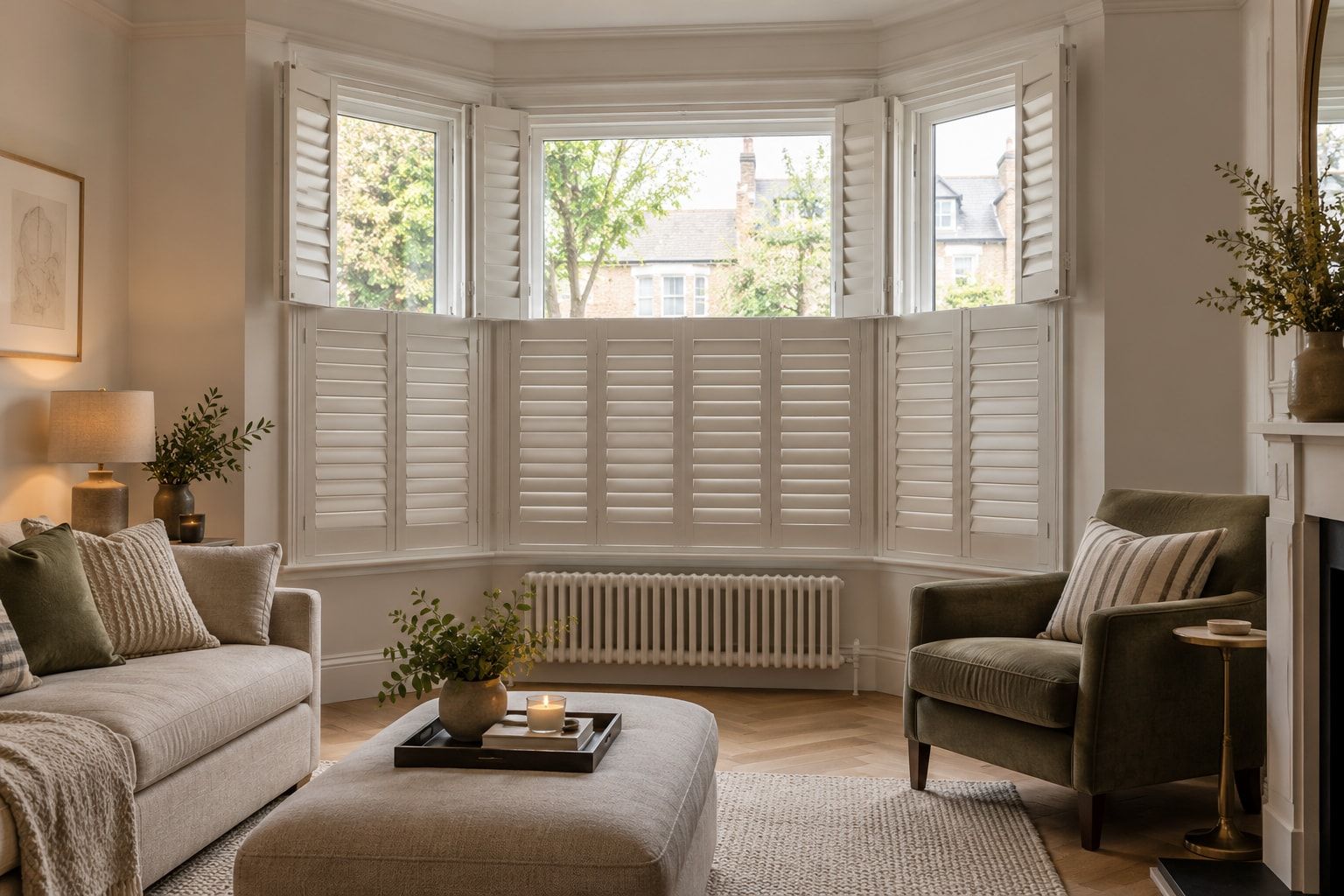
Tier-on-Tier Shutters
Two sets of panels, one above the other, that open independently. Keep the lower half closed for privacy and fold the top back for daylight.
Serving Birmingham and the West Midlands Appointments 7 days a week
Made-to-measure shutters
The classic plantation look. One panel from top to bottom, with tilting louvres for easy control of light and privacy, built to fit your exact window.
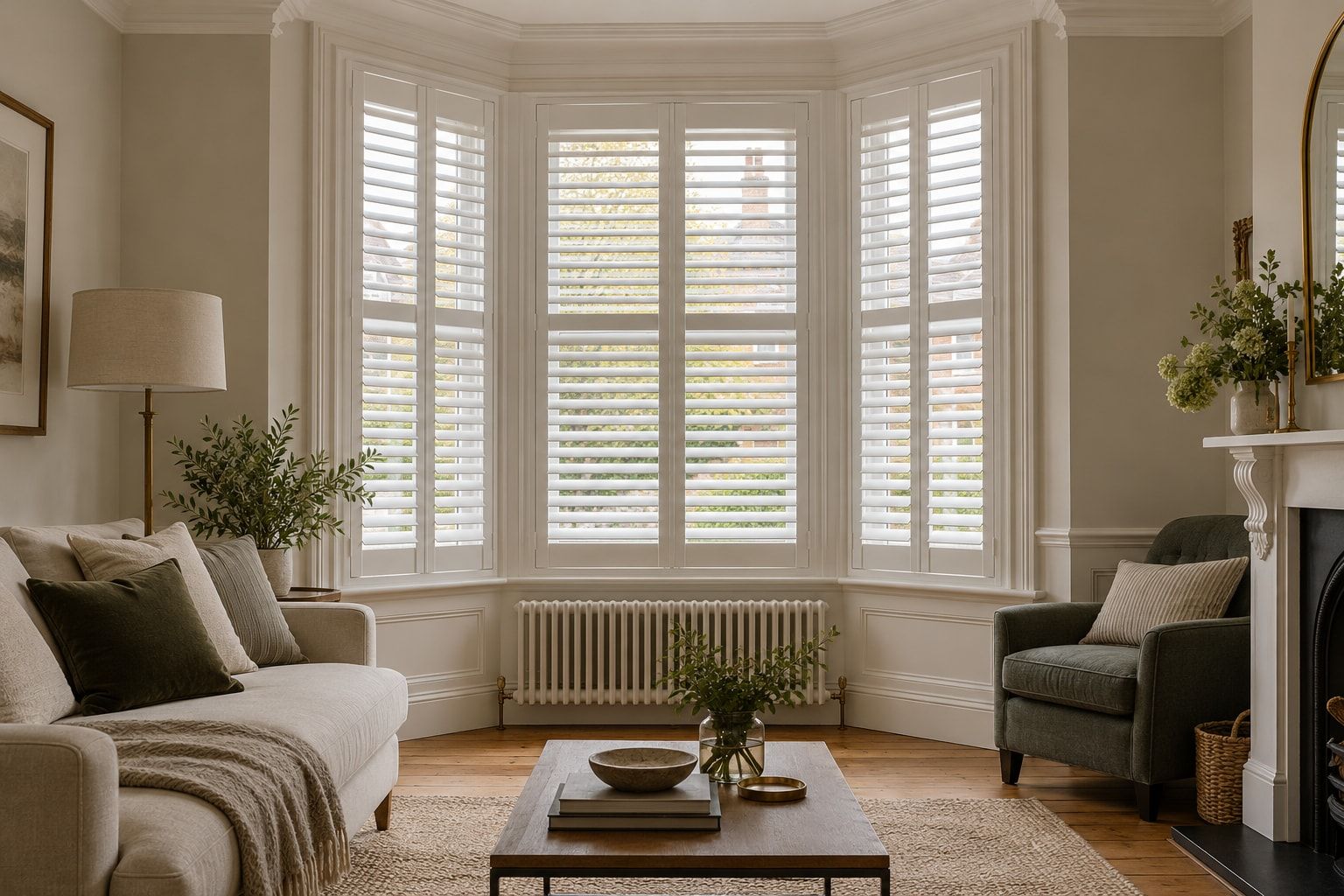
Every panel is made to the measurements we take in your home, so even out-of-square recesses get a close, even fit.
Tilt the louvres to angle daylight up and away from the street, or close them fully when you want the room to yourself.
Hinged panels fold back against the wall or into the recess, leaving the glass clear for a full view or easy window cleaning.
Shutters are opened and tilted by hand, with nothing hanging down to tangle or tidy away.
Colours
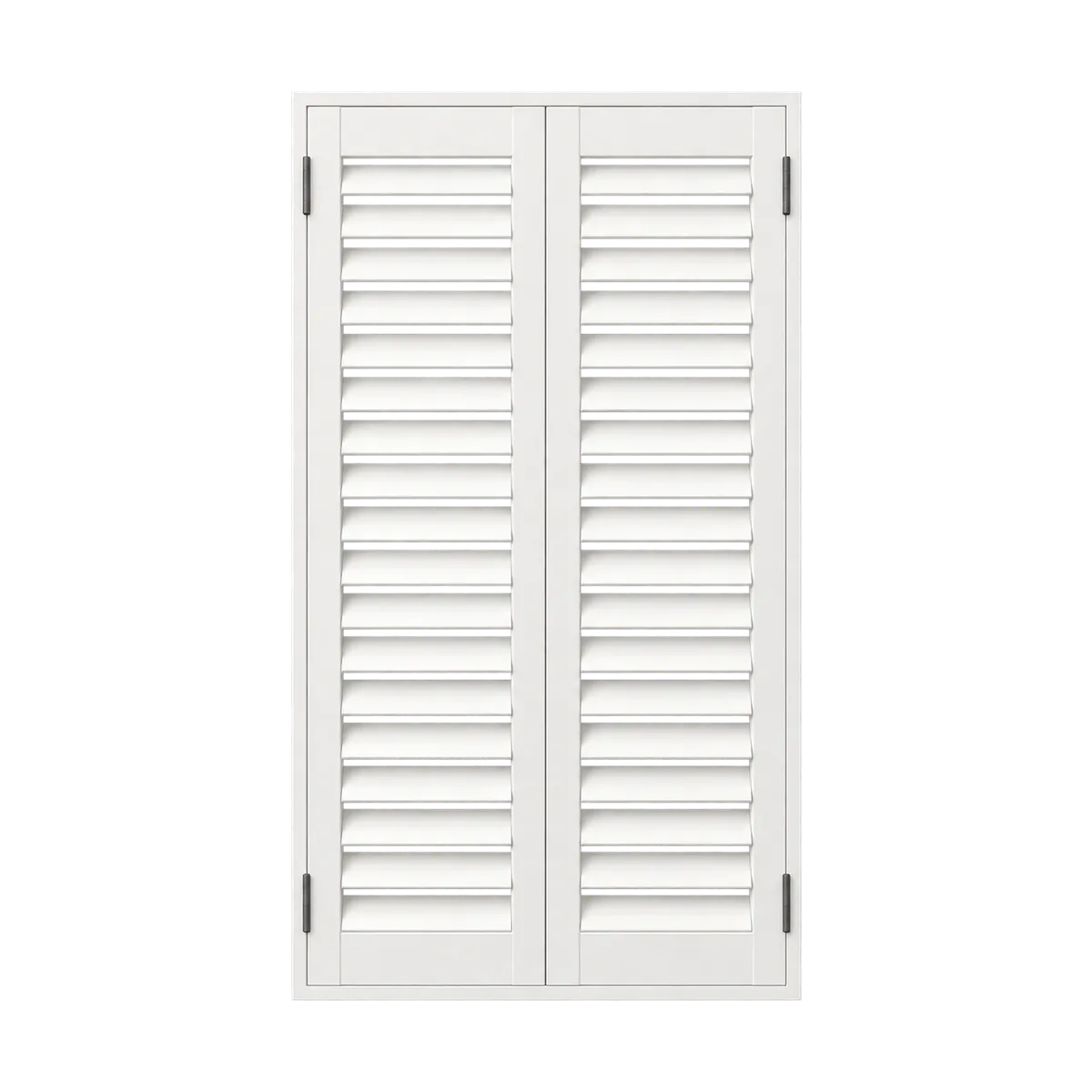
Tap a colour to preview your full-height shutters. These are some of our most popular shades. There are many more at your home visit.
Selected: Pure White
Colour guide only. Screens vary, so we bring real samples to your free home visit.
Book a free measure in this colourFull-height shutters are what most people picture when they think of plantation shutters: a single panel running from the top of the window to the sill, filled with rows of tilting louvres. They give a room a calm, finished feel, and they look as much at home in a Victorian bay as in a new-build bedroom.
Because each panel covers the whole height of the window, everything is controlled in one simple movement. Tilt the louvres open to let daylight in, angle them upwards so people outside can’t see in while the room stays bright, or close them tight at night. When you want the whole window back, the panels swing open on their hinges and fold out of the way.
Few windows are perfectly square, and in older houses the difference can be obvious. After a century of settling, recesses in Victorian and Edwardian terraces often lean, taper or bow slightly. A shutter is a rigid frame, so it can’t disguise those differences the way fabric can. We measure each window at several points and your shutters are built to those exact sizes, so the frame sits snugly and the panels hang straight, even when the wall around them doesn’t.
In newer homes, the same precision is what makes shutters look like part of the room’s woodwork rather than something added later.
A mid-rail is a horizontal bar across the panel. It’s optional, and whether it suits your window depends mainly on its height and style.
A mid-rail can also let you tilt the louvres above and below it separately, so the bottom can stay closed while the top lets light in. If you’d like to fold back the top half of the window altogether, tier-on-tier shutters are designed to do exactly that.
A few small choices shape how your shutters look. Louvre size sets the character: narrower louvres feel traditional and suit smaller windows, while wider louvres give a more open view when tilted. For the finish, most people choose a painted white or soft neutral to match skirting boards and window frames, but a stained finish shows the grain of the wood and sits well alongside timber floors or furniture. A hidden tilt rod, tucked away at the back of the panel, gives the front a cleaner face.
We bring louvre and finish samples to your home visit, so you can judge them against your own walls and in your own light.
Bay windows are where full-height shutters really come into their own. We make panels for each section of the bay and join them at the angles with corner posts, so the shutters follow the shape of the window and the bay reads as one. Corner windows are handled in a similar way. For arched windows or windows with a sloping top edge, see our tracked and special-shape shutters.
After 20 years of fitting shutters, blinds and curtains across Birmingham and the West Midlands, we know shutters are a considered purchase. We’ll tell you plainly whether full-height panels suit your windows, and if another shutter style would work better, we’ll say so.
Options
We'll talk you through every option at your free home visit, with samples in hand.
Questions
Anything else you'd like to know? Call or WhatsApp us on 07902 945533.
With the louvres closed, shutters block most of the light, but a little can still find its way through at the edges and where panels meet. If a properly dark bedroom is the priority, a blackout blind will do that job more reliably, and we'll happily talk you through both.
A regular dust with a soft cloth or the brush attachment on your vacuum keeps them looking fresh, and a slightly damp cloth takes care of marks. Because the panels swing open, cleaning the glass behind them is easy too.
Yes. Swing the panels back and the window behind opens as normal. Closing the shutters again takes a moment.
Shutters are made to order for each window, so timings depend on the size and style you choose. We'll confirm timings when we quote.
You might also like
Two sets of panels, one above the other, that open independently. Keep the lower half closed for privacy and fold the top back for daylight.
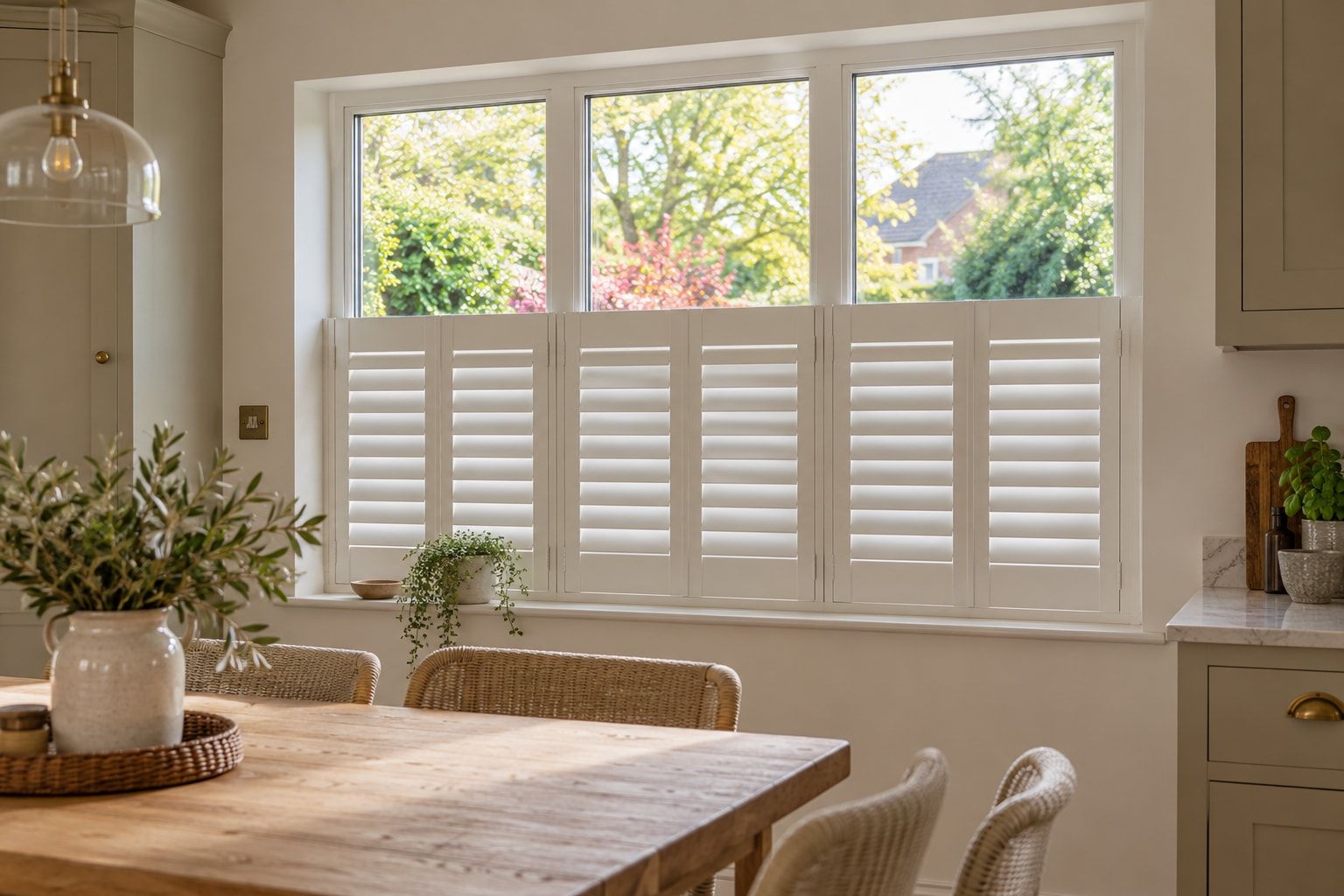
Shutters on the lower part of the window only. Privacy where you need it, with the top left open for daylight and sky.
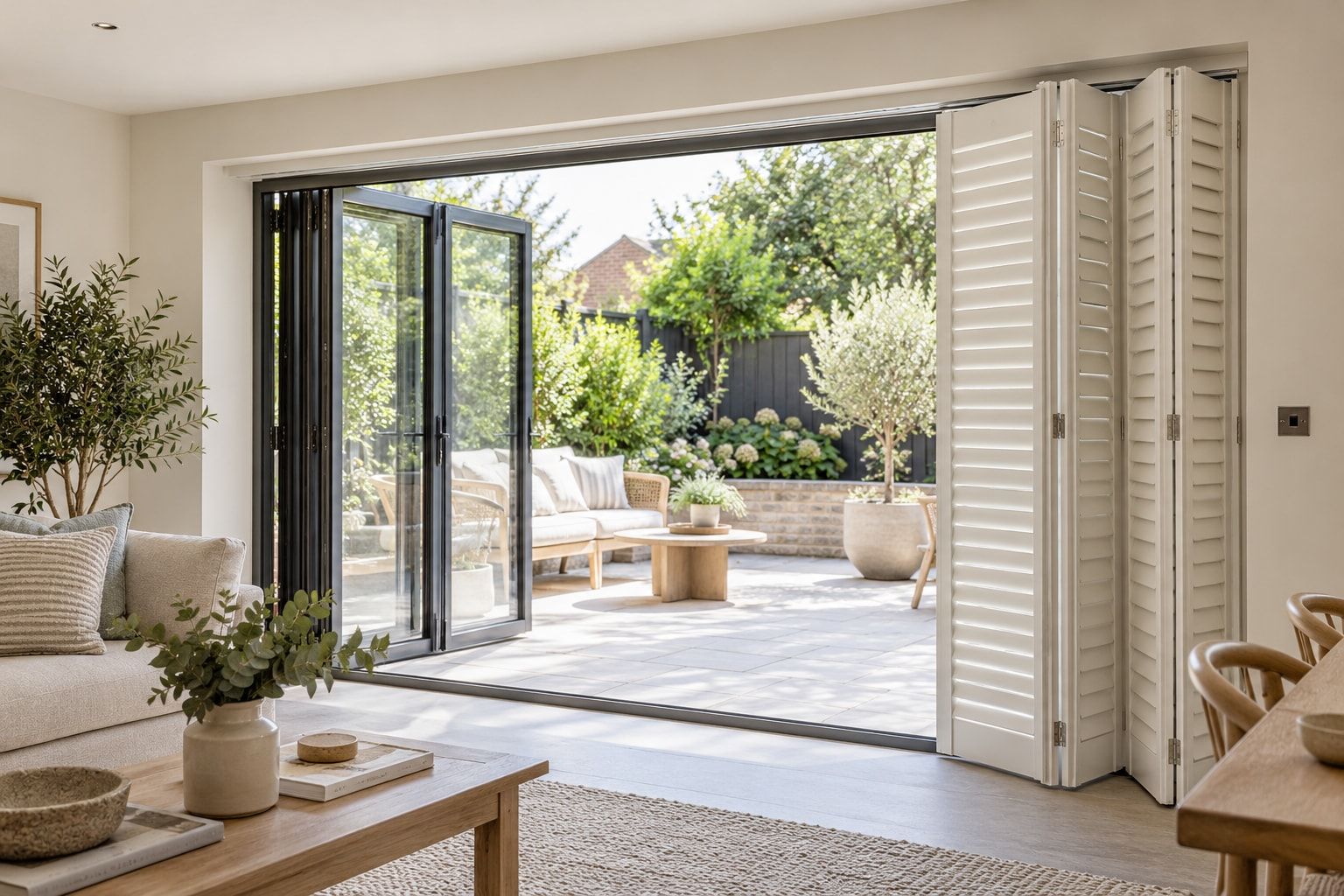
Sliding and folding shutters on tracks for patio and bifold doors, and shaped shutters for arches, angled tops and bay windows.
Advice
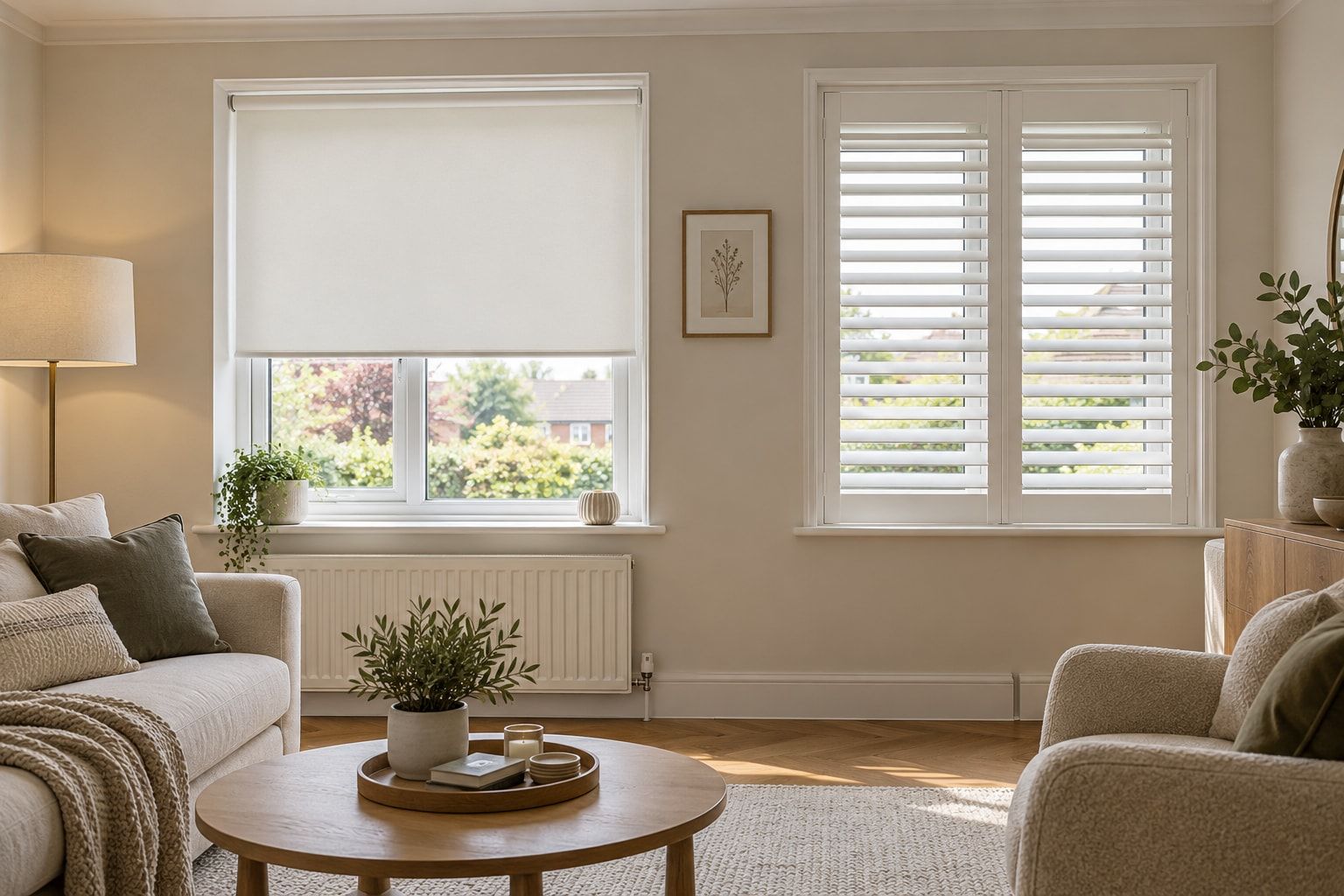
An honest comparison of blinds and shutters, covering light control, privacy, darkness, cleaning and style, to help you choose for every room.
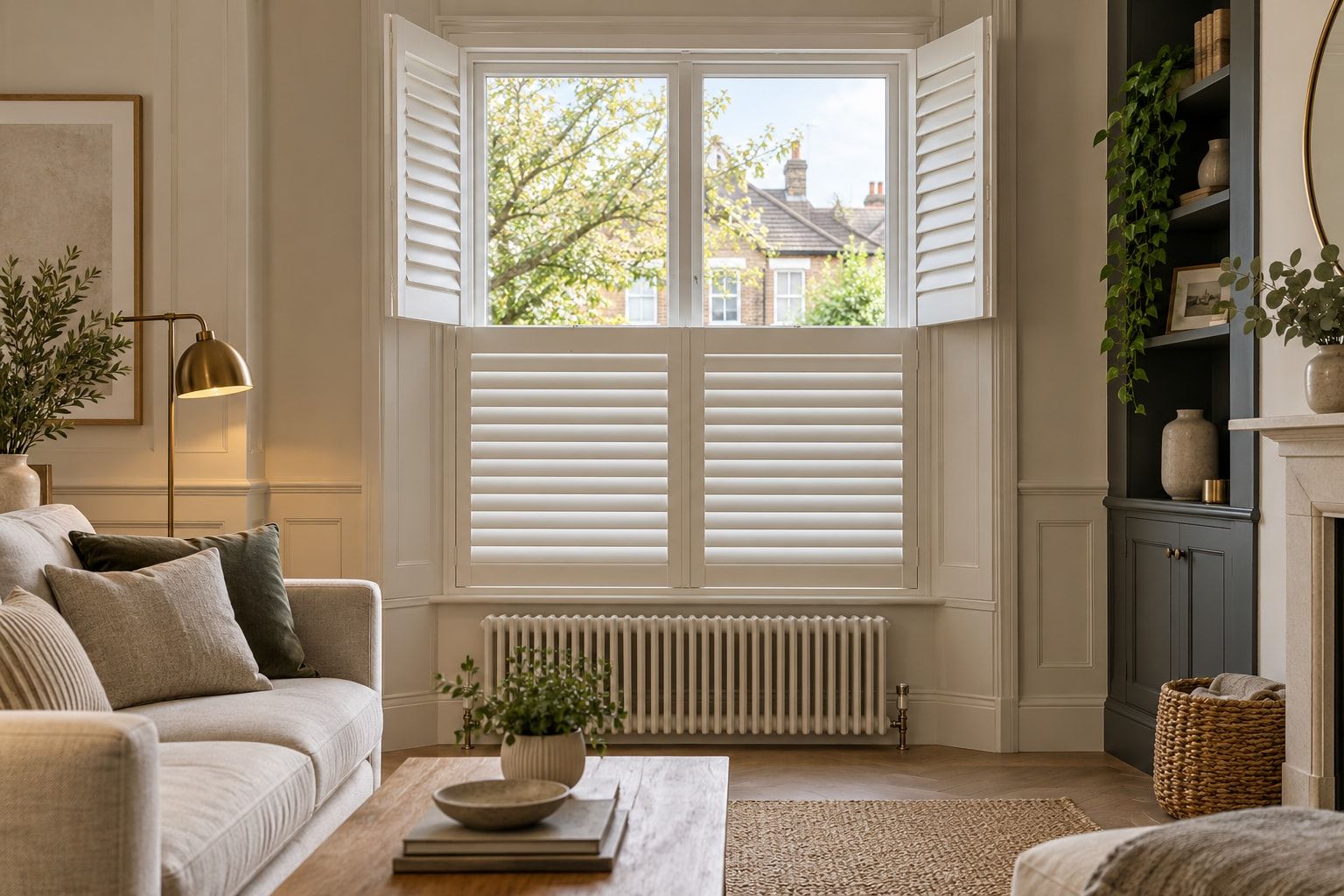
Full-height, tier-on-tier, café-style or tracked? An honest guide to how each shutter style works, where it suits best and what to check first.
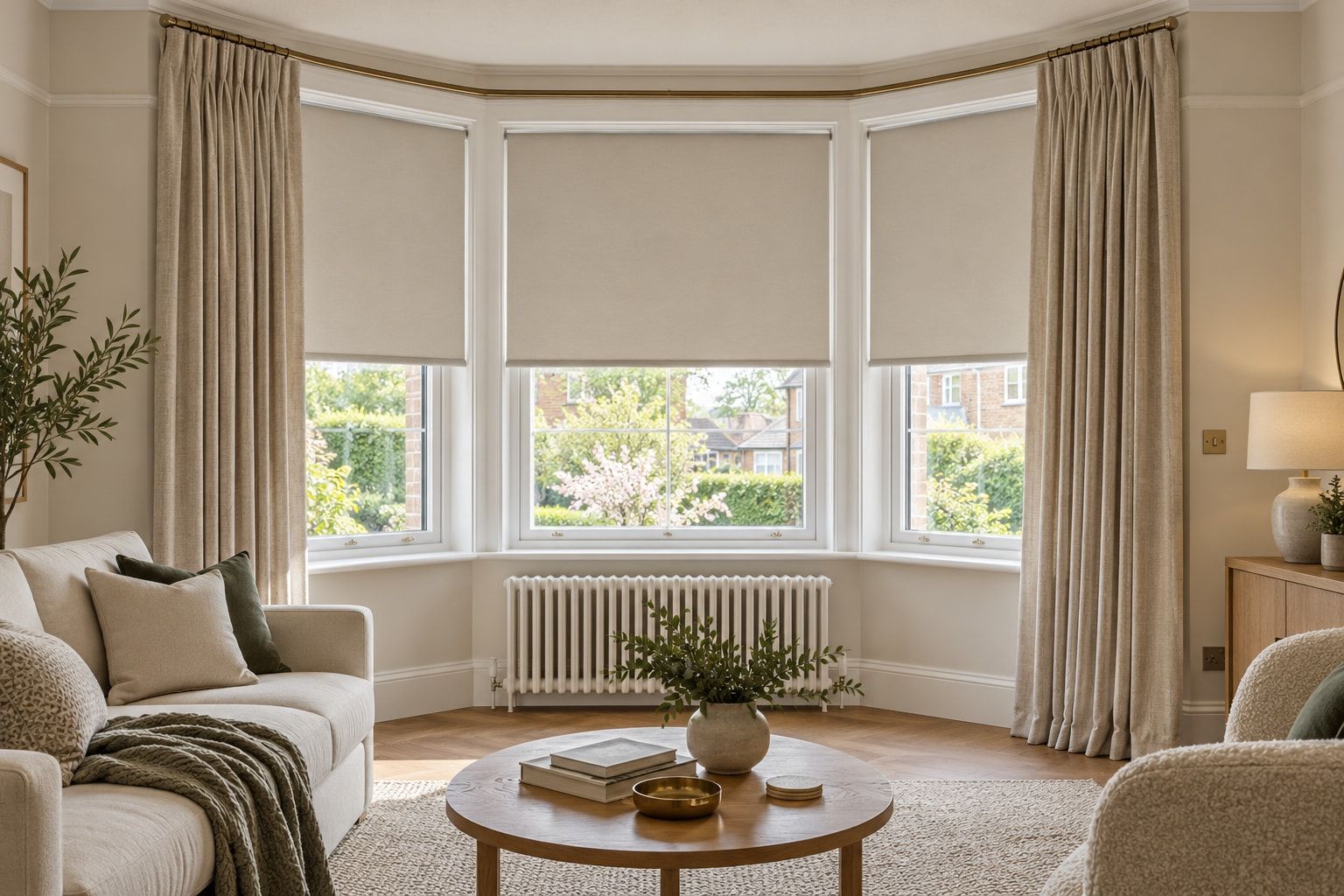
Practical advice on dressing a bay window with blinds, shutters or curtains, covering angled, square and curved bays and the pros and cons of each.
Book a free, no-obligation home measure. We visit 7 days a week, bring samples to you, and fitting is included in every quote.