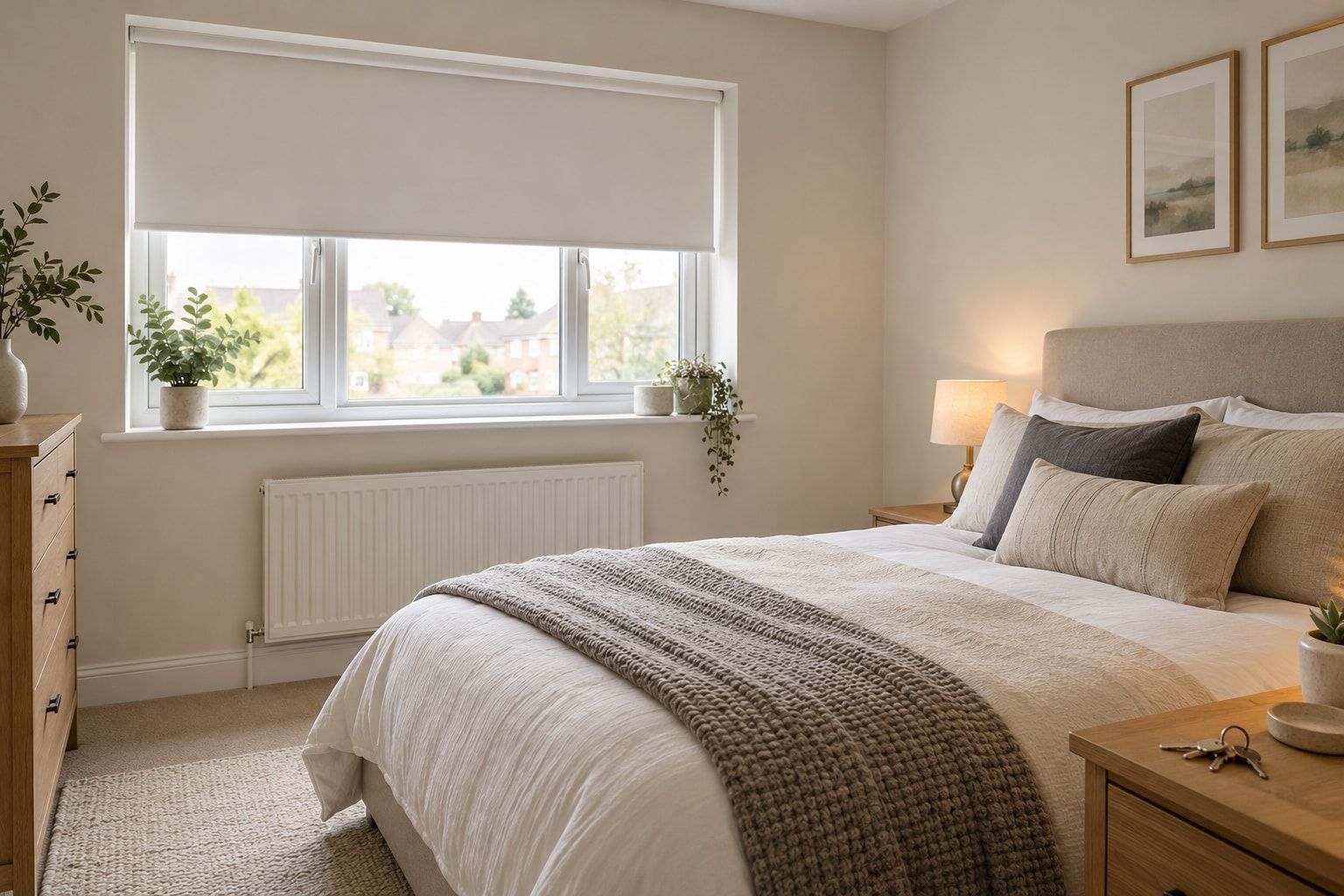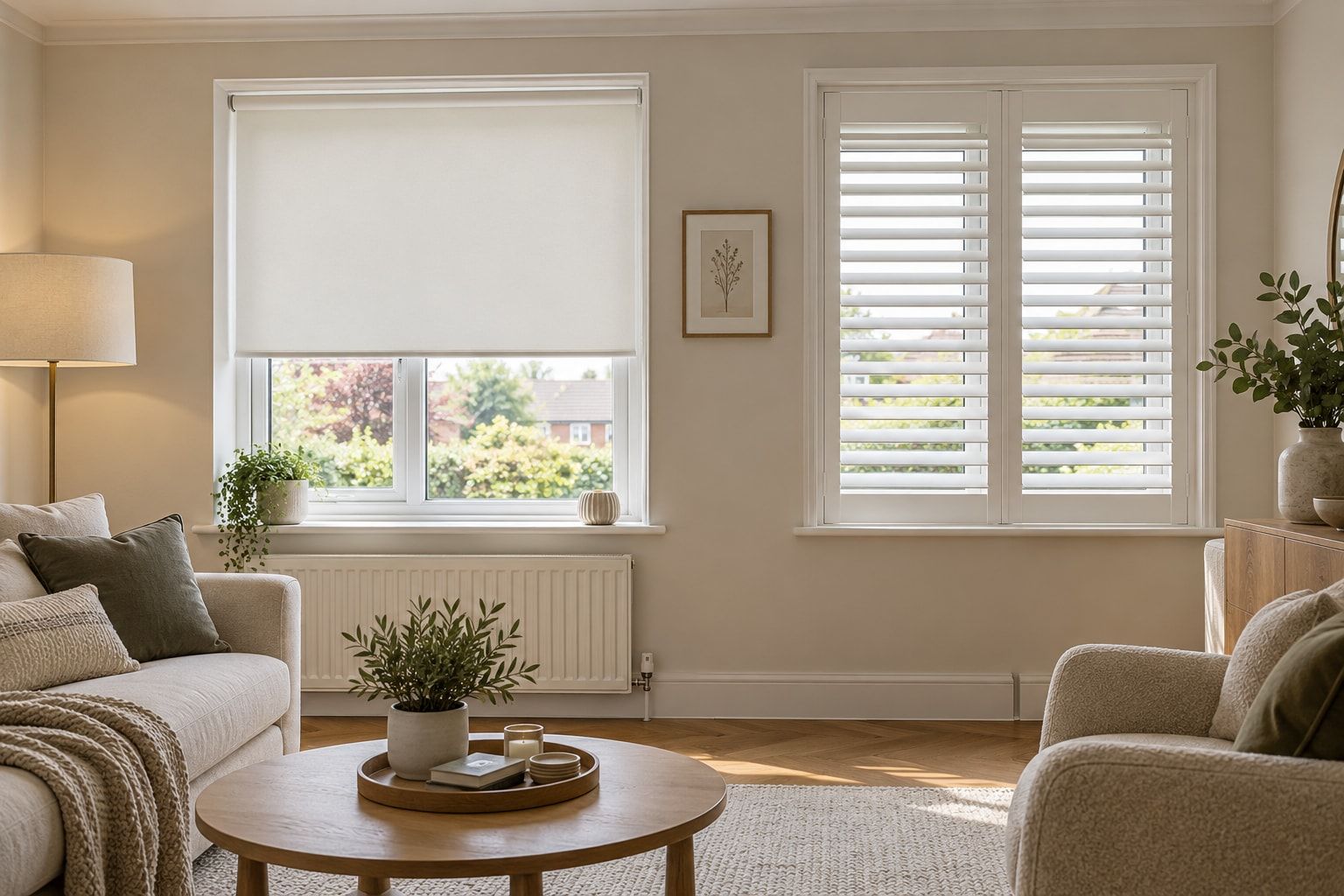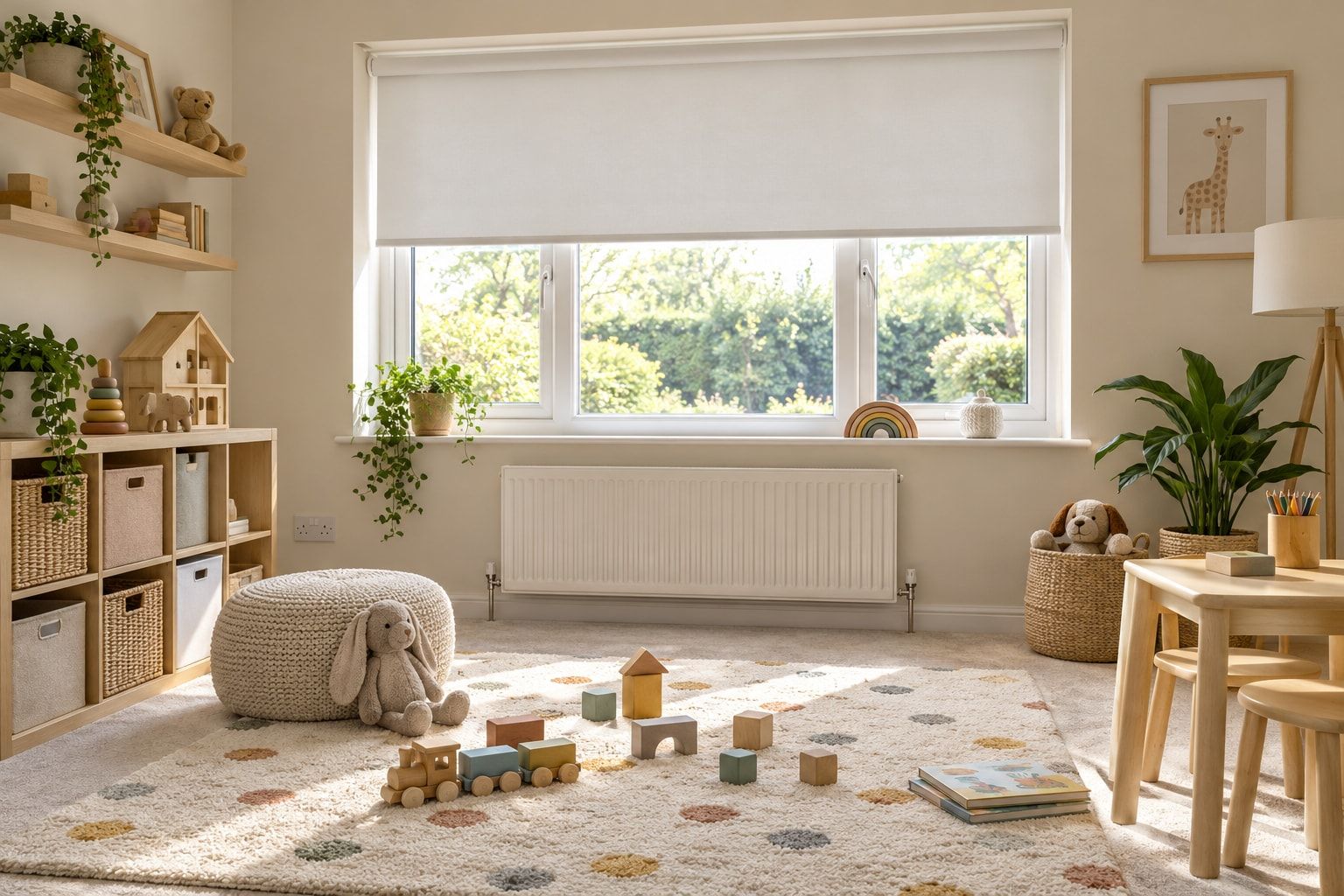
If you have young children or grandchildren, or a baby on the way, it’s natural to look around your home with fresh eyes. Window blinds are one of the things worth a quick check. The reassuring news is that modern made-to-measure blinds are designed with child safety built in, and a few simple habits go a long way.
This guide explains what the UK safety standard covers, which blinds are the simplest choice for family homes, and what to look out for on older blinds.
Why cords and chains matter
Looped cords and chains can be a hazard for babies and young children, who can become tangled in them. Toddlers are naturally curious, love to climb and don’t yet understand danger, so a chain hanging within reach of a cot, bed or sofa is worth sorting out.
That’s not a reason to worry about blinds in general. It’s simply a reason to choose the right type for each room, make sure the safety devices are fitted and used, and keep cords and chains out of reach.
What BS EN 13120 means
BS EN 13120 is the British and European standard for internal blinds. As well as covering how blinds perform, it sets out safety requirements for cords and chains. In broad terms, it covers:
- how cords and chains are designed, to reduce the risk of hazardous loops
- the safety devices that come with corded and chain-operated blinds, such as chain tensioners and cord cleats
- the safety warnings and fitting instructions supplied with the blind
All the blinds we supply meet BS EN 13120. When our fitters install your blinds, they fit the safety devices properly and show you how they work, so you can get on with enjoying them.
Child-safe options to look for
Some blinds avoid cords and chains altogether. Others use them, but keep them secured. Both approaches meet the standard when they’re fitted and used properly, so the right choice depends on the room.
Blinds with no cords or chains
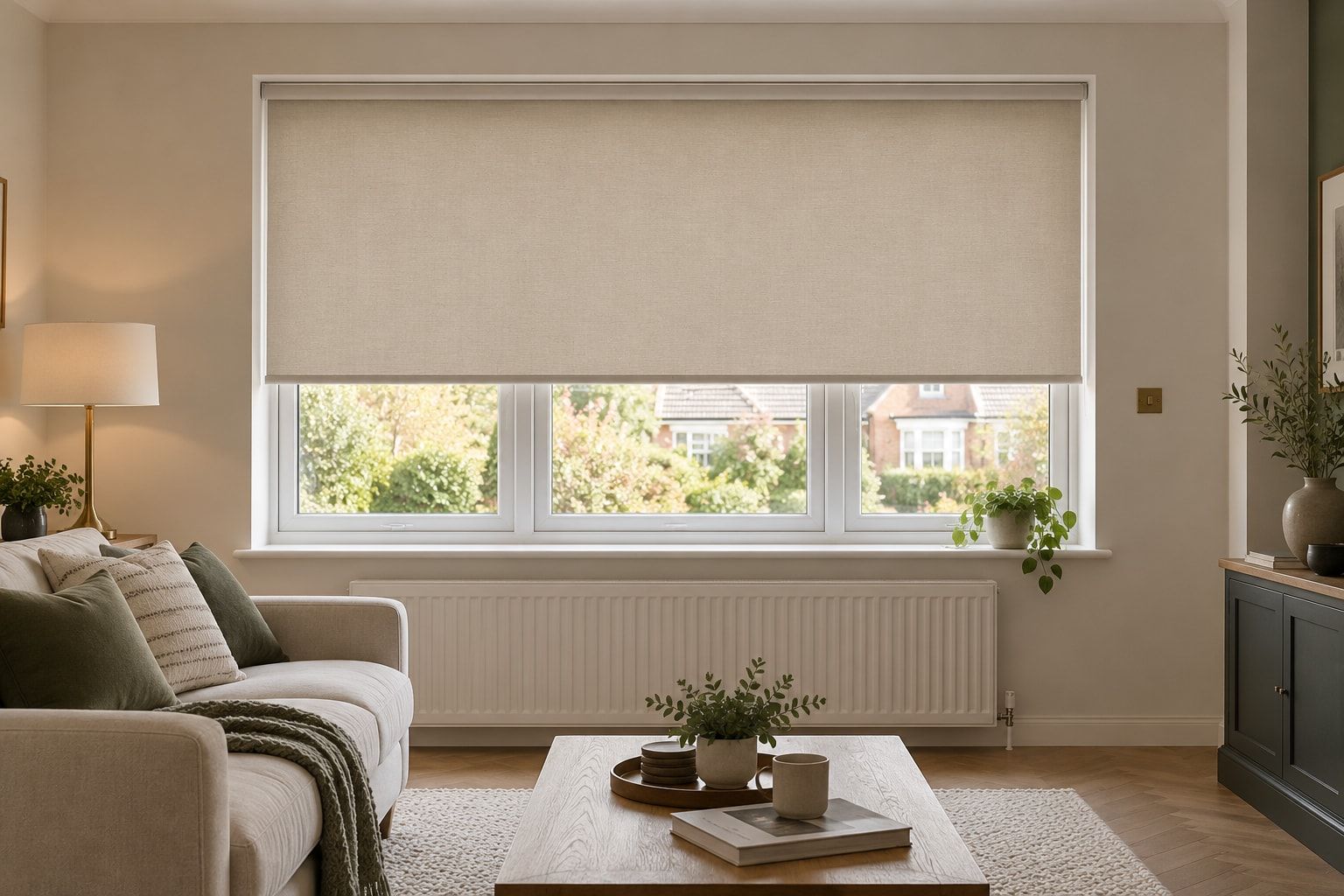
- Cordless roller blinds use a spring mechanism. You raise and lower them by hand using the bottom bar, with no chain at all. Our roller blinds are available with this option.
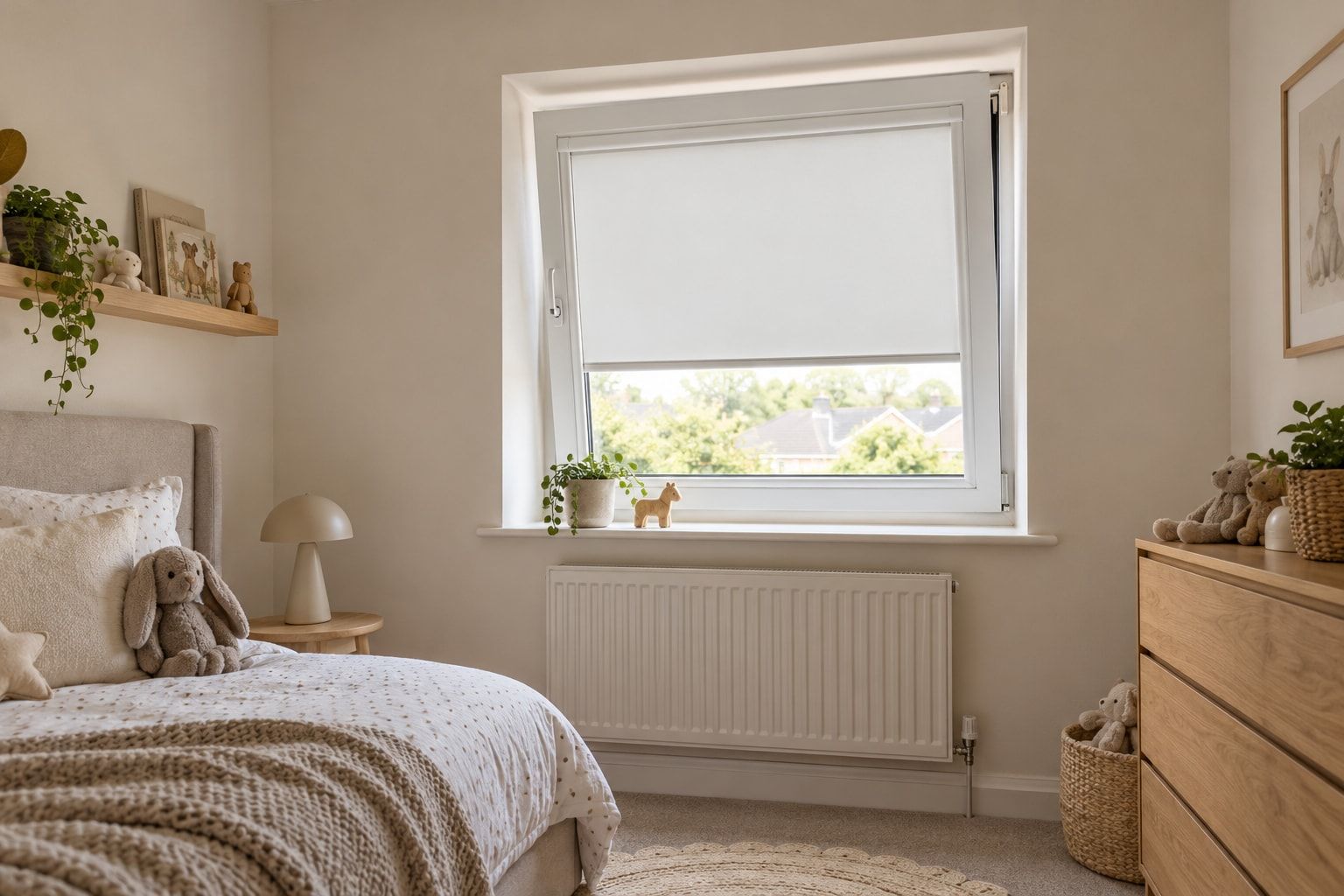
- Perfect Fit blinds clip into the frame of uPVC windows and sit close to the glass, with no loose cords hanging down. They’re a popular choice for children’s bedrooms.
- Shutters have no cords or chains at all. The louvres and panels are moved by hand, which makes shutters a good long-term choice for family homes.
- Curtains drawn by hand on a pole don’t need any cords either.
Wand-controlled blinds
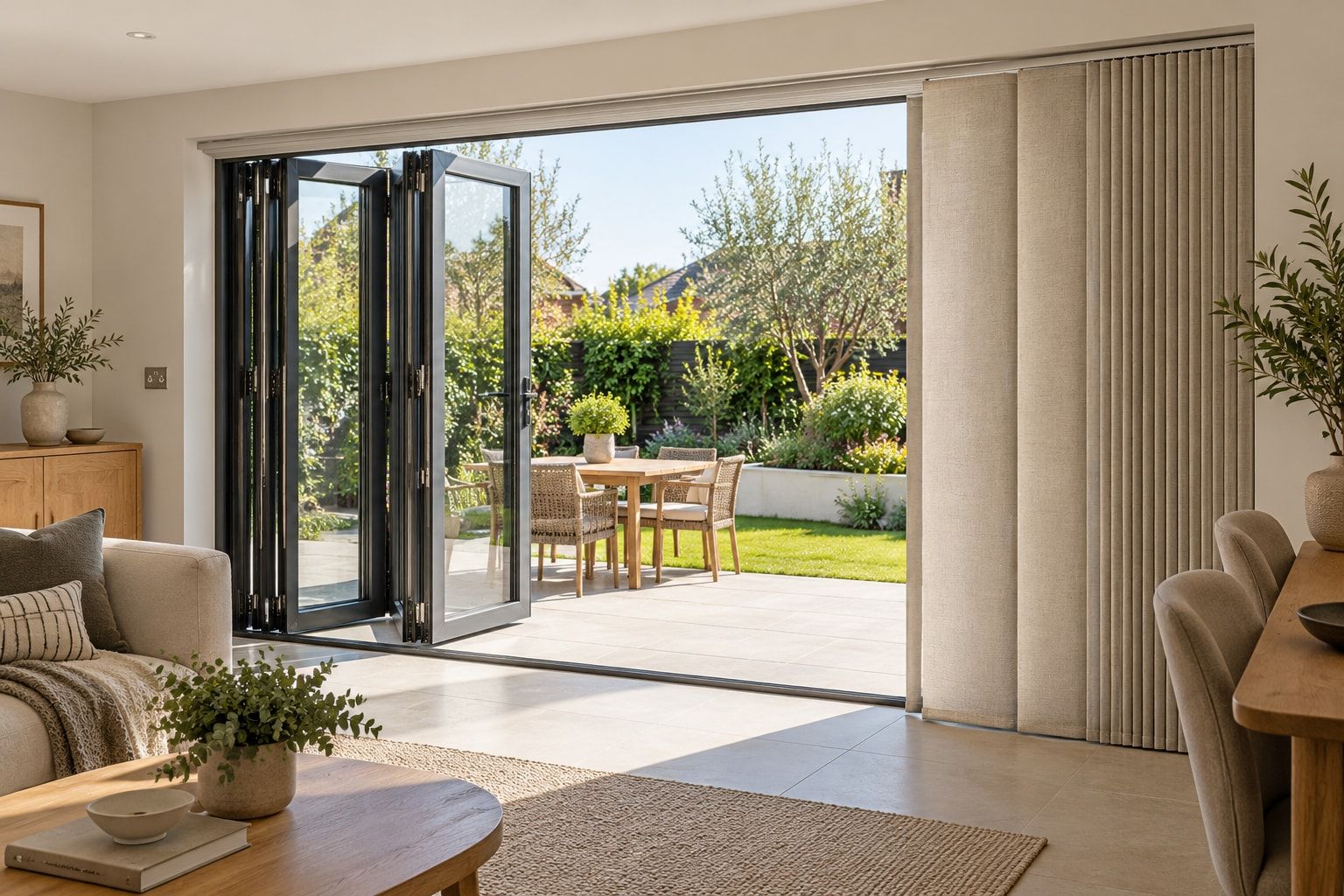
Some blinds use a rigid wand instead of a cord or chain. Panel blinds, for example, can slide across with a wand, and Venetian blinds use one to tilt the slats. A wand can’t form a loop, which makes it a sensible choice where children play. Venetian blinds still use a cord to raise them, so that cord needs to be kept secured and out of reach.
Chain-operated blinds with a tensioner
Many roller, Roman and vertical blinds are raised and lowered with a side chain. On our chain-operated blinds, the chain is fixed to the wall or window frame with a tensioner, which keeps it taut so it can’t hang in a free loop. Our fitters position and fix it as part of the job.
A quick guide by blind type
| Type of blind | How it’s usually operated | Child-safe approach |
|---|---|---|
| Roller and blackout blinds | Side chain, or cordless | Chain secured with a tensioner, or a spring-assisted cordless blind |
| Perfect Fit blinds | By hand, within the window frame | No loose cords hanging down |
| Roman blinds | Side chain or cord | Chain or cord secured with the safety devices supplied |
| Vertical blinds | Chain and cord, or a wand | Tensioned chain and cord, or wand control |
| Venetian blinds | Lift cord and tilt wand | Lift cord kept out of reach with a cleat or other safety device |
| Shutters | By hand | No cords or chains at all |
Simple habits that make a big difference
- Keep cots, beds and playpens away from windows. Where you can, position them so a child can’t reach the blind, its controls or the windowsill.
- Watch for climbable furniture. Sofas, chairs, chests of drawers and toy boxes near a window can give a toddler a way up. Move them if you can.
- Use the safety devices you’ve been given. Keep tensioners fixed in place, and wind any cords around a cleat fitted high on the wall, out of reach.
- Never knot or tie cords together. Doing so can create a new loop, which is exactly what you’re trying to avoid.
- Choose the control side with care. When ordering, think about which side of the window the chain should hang, and keep it on the side furthest from a cot or bed.
- Check other homes your child sleeps in. If your child stays with grandparents, or you’re away on holiday, take a quick look at the blinds in the room where they’ll sleep.
Checking older blinds
Blinds that have been up for many years may have been made before today’s safety requirements, or their safety devices may have worn out or gone missing. It’s worth a few minutes going round your home, starting with children’s bedrooms and family rooms. Look for:
- Looped cords or chains hanging freely, with no tensioner holding them in place.
- Cords long enough to reach the floor, or a bed, sofa or windowsill.
- Missing or broken tensioners and cleats, or a tensioner that has come away from the wall.
- Inner cords that can be pulled out into a loop. On some older Roman, pleated and Venetian blinds, the cords running through the back of the blind or through the slats can be pulled outwards.
If you find something that concerns you, secure what you can straight away by fixing the chain or winding the cord up high, out of reach. Then think about replacing the blind with one made to the current standard, particularly in a child’s room.
Choosing blinds for a nursery or child’s bedroom
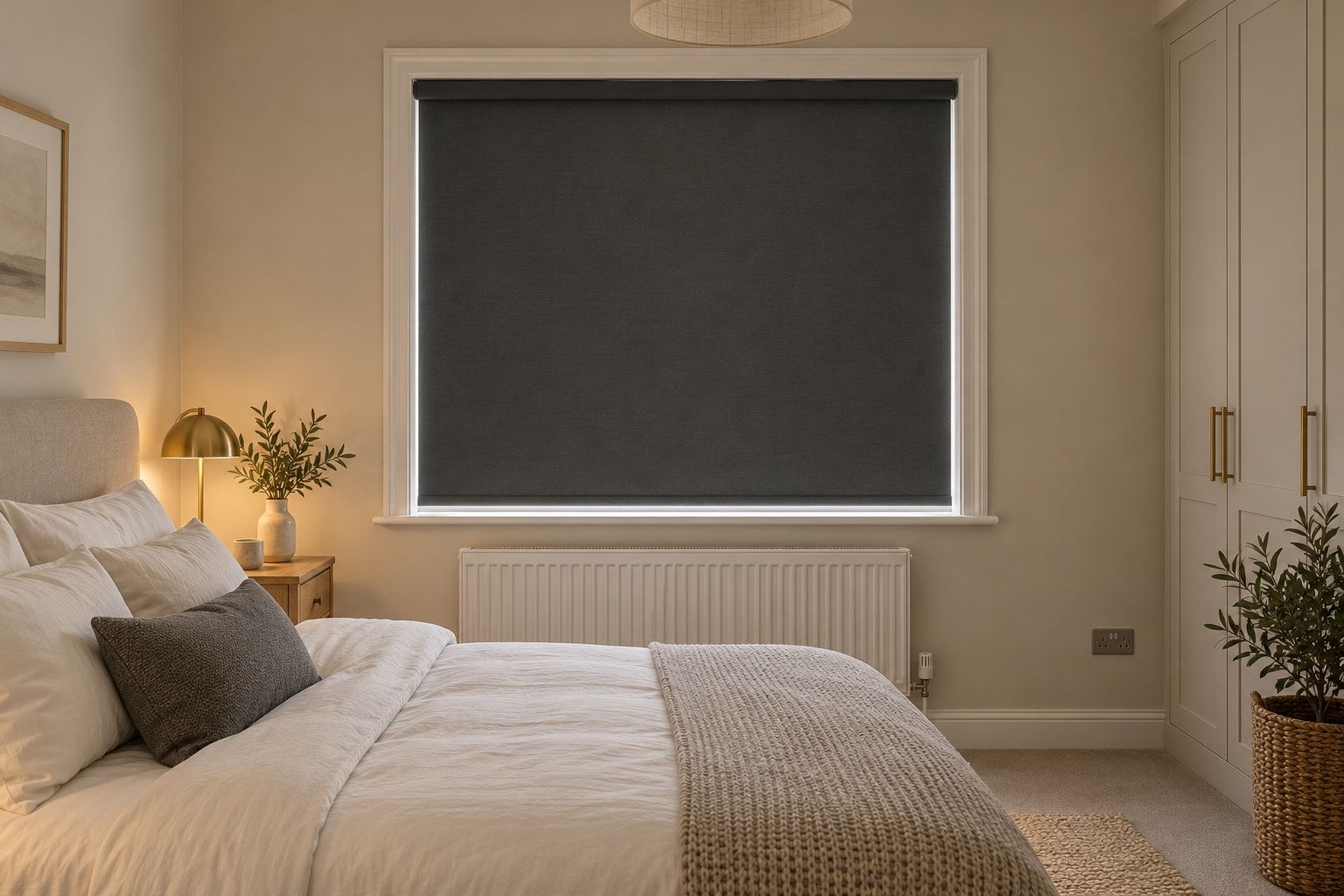
In children’s rooms, you usually want two things: safety and a dark room at bedtime. A cordless roller or Perfect Fit blind in a blackout fabric ticks both boxes. Our guide to blackout blinds for nurseries and children’s bedrooms goes into more detail on getting the room dark.
If you’re choosing blinds for a family home, or replacing older blinds you’re not sure about, book a free home visit. Our fitters will talk you through the child-safe options for each room, measure every window and bring samples for you to see. The quote is free with no obligation, and fitting is included in your quote.
Questions
Can you make my existing blinds safer?
If they're blinds we supplied, we can repair them. We don't repair blinds from other companies, but we're happy to quote for made-to-measure replacements that meet BS EN 13120.
What should I do if the blinds in my rented home don't look safe?
Mention it to your landlord or letting agent, and keep cords and chains secured out of reach in the meantime. We work with landlords and can fit replacement blinds that meet the UK child-safety standard.
Will a chain tensioner make my blind harder to use?
No. The tensioner simply holds the chain taut against the wall or window frame. You pull the chain to raise and lower the blind just as you normally would.